Opening Up the Workplace: A Sustained Approach to SEND Careers Education at Acland Burghley
12 Aug 2026
A collaboration between Acland Burghley School, Youth Careers Collective (YCC) and Central London employers is showing how carefully sequenced careers activity can make workplace experiences more accessible and meaningful for young people with SEND.
For many young people with special educational needs and disabilities (SEND) in mainstream education, a single employer encounter is not enough. New environments, unfamiliar language and uncertainty about what to expect can make it harder to take part confidently and to connect an interesting day out with a possible future.
At Acland Burghley School, the response was to build a longer journey. During spring and summer 2026, the school worked with Youth Careers Collective, Anna Hirst from the Central London Careers Hub and a group of employers to create a tailored programme for a Year 9 SEND cohort. The activity formed part of SCULPT, a three-year programme supporting learners from Year 8 to Year 10, with a particular focus on young people with SEND and those eligible for Free School Meals.
Preparation Before Participation
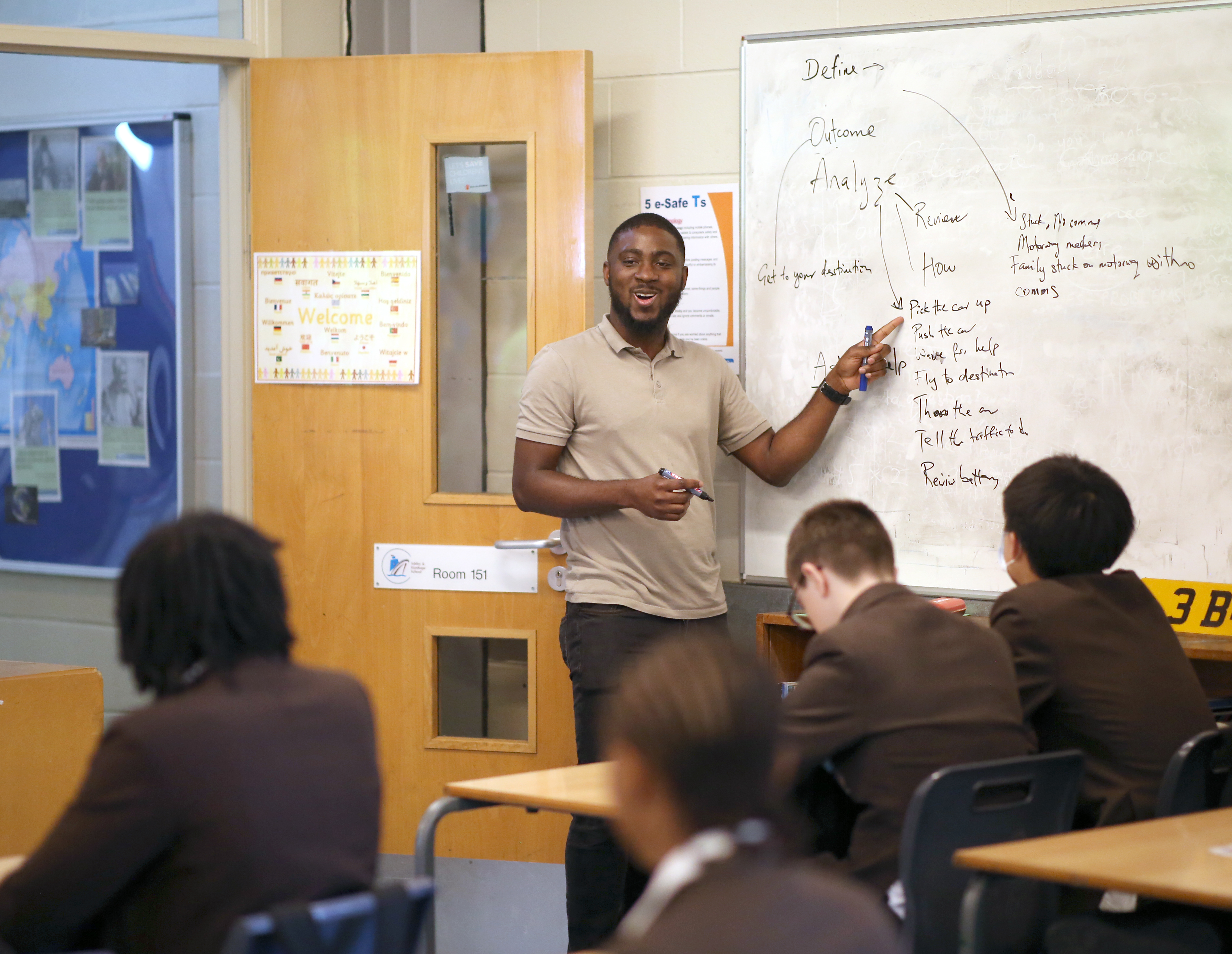
The programme began in school. Staff identified the students who would benefit most, then worked with the YCC and the Careers Hub to shape the content around their needs. An initial assessment and relationship-building session gave facilitators time to understand the group, while a dedicated workplace-preparation session helped learners know what to expect.
This stage mattered. Rather than asking students to walk into a workplace cold, the team introduced the setting, expectations and language in advance. This allowed learners to prepare questions, practise speaking about themselves and begin to recognise the skills they already used in school and everyday life.
The cohort then took part in two employer-led workplace insight days across different sectors. Each experience was followed by structured reflection and skills mapping, helping students make sense of what they had seen and connect it to their own strengths.
A Window into Different Industries
Employers including GSK, Framestore, UST and Capgemini contributed to the wider programme through speed networking, workplace insight days and an in-school workshop.
At GSK, students arrived with questions they had prepared in advance and took part in speed networking with employees. A visit to Framestore opened up the breadth of roles within the creative industries, while UST used artificial intelligence and the future of work to introduce learners to a sector that may previously have felt unfamiliar. Capgemini colleagues brought the focus back into school with practical guidance on CVs, interviews and presenting yourself authentically.
The range was deliberate, as young people were not directed towards a single pathway; they were given multiple points of reference and the chance to compare different workplaces, roles and ways of working.
Amy Smith from Framestore reflected on the value of widening access to the creative industries: “Outreach work like this is so crucial for developing our future talent pipeline and broadening access to the creative industry.”
For Michael Stephanou from UST, the experience worked in both directions. He highlighted the students’ thoughtful questions and the importance of helping young people explore industries they may not yet know, while employers build a more diverse and inclusive future workforce.
Reflection Turns Activity into Learning
The workplace visits were not treated as isolated events. After each encounter, learners had time to identify what they had noticed, which skills they had used and what had surprised them.
That reflection is central to the design. It turns “I visited a company” into a more useful understanding: “I asked a question”, “I adapted to a new environment”, “I communicated with someone I had not met before” or “I discovered a role I did not know existed”.
It also gives school staff useful language for future conversations with students and families. A learner does not need to leave a Year 9 visit with a fixed career plan. A stronger outcome at this stage can be increased curiosity, a clearer sense of personal strengths and greater confidence about taking the next step.
What Made the Partnership Work
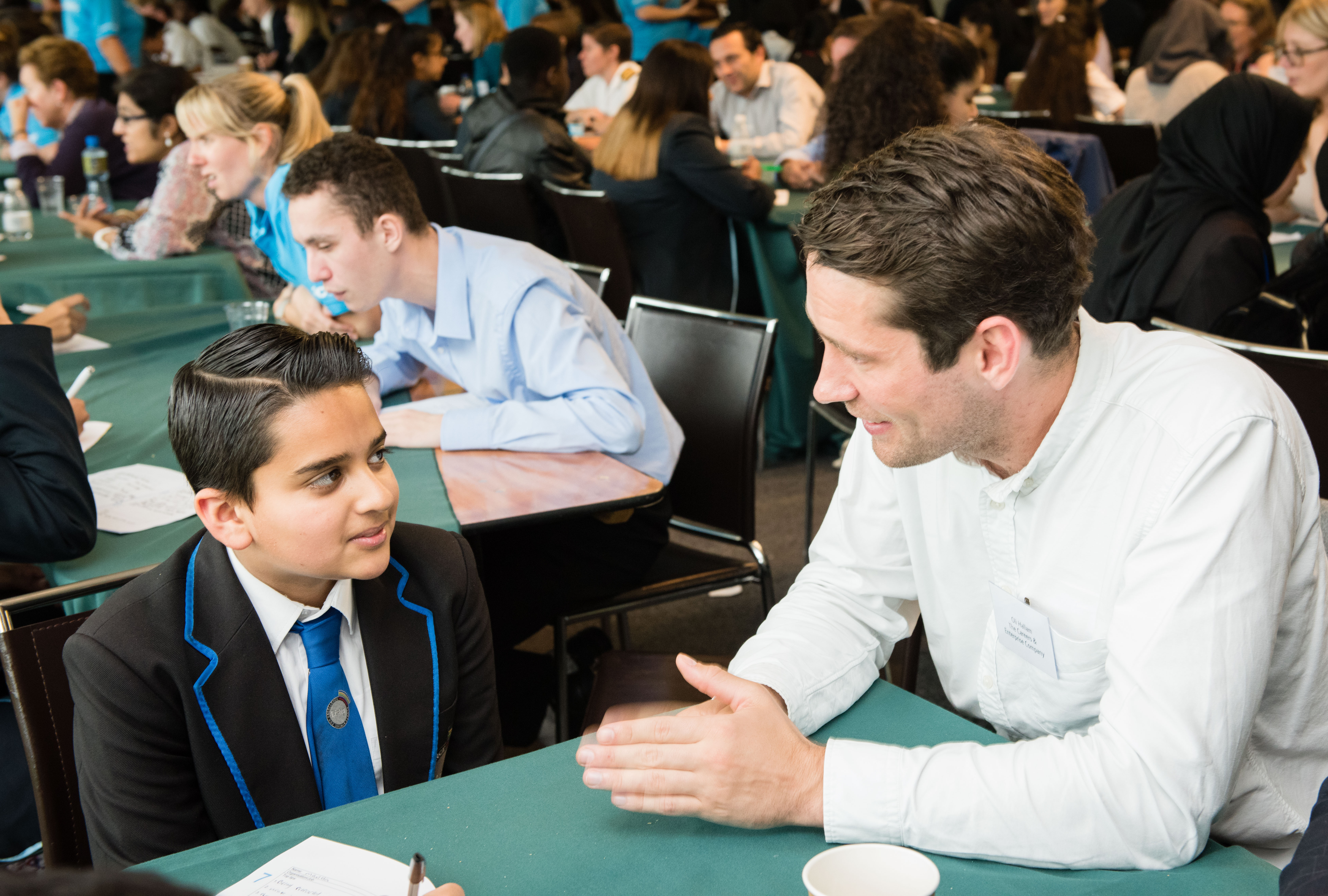
The delivery relied on more than a timetable of activities. YCC brought facilitation, session planning and a progressive framework. School staff brought detailed knowledge of the learners, and employers brought real workplaces, professional insight and volunteers ready to listen as well as speak.
This collaboration with Acland Burghley offers a practical model for inclusive careers education in mainstream settings; identifying learners who face the greatest barriers, preparing them well, offering varied experiences and making the space for reflection. Most importantly, design the journey with the young people in mind.
When employers, educators and careers partners work together in this way, workplace experiences become more than a visit. They become part of a sustained pathway through which young people can recognise their abilities, broaden their horizons and begin to see themselves in the world of work.